

Why I'm building Neogenic
Impact is what has always driven me. Whatever I've worked on, from composing meditation music to building companies, the question underneath has been the same: how can this make people's lives better? Over time that question led me to another one, which is the reason I'm building Neogenic. If people had more healthy years, what could they do with them, for themselves and for the people around them?
In 2020 I started building Olympus Digital, my marketing agency. In about eighteen months it grew to 82 employees. We were thinking about reach, building channels that could get to millions of people, but the growth taught me something closer to home. Every person on that team had a family, and the choices I made as the company grew reached into those homes. I came to see those 82 people and their families as part of the impact, as much as any audience. It also made something clear about my own role. The more I could grow as a person, the more I had to give the people around me. Personal growth and contribution were tied together.
There's a famous line calling compound interest the eighth wonder of the world. It's often credited to Albert Einstein, though that attribution isn't verified. Whoever said it first, we usually talk about compounding in terms of money, investments and business, where returns build on earlier returns over time. I'm interested in extending the idea. Knowledge builds on knowledge. Someone who has spent forty years in a field notices things a beginner can't see yet. Understanding of yourself deepens slowly. Relationships grow in ways that only time allows. So what happens to all of that if people get more healthy years? I think healthy time could be one of the most valuable things we can add to a person's life, because it gives growth and contribution longer to keep building on each other.
When work becomes more of a choice
Some of the people building AI are making big predictions about where it leads. At the U.S.–Saudi Investment Forum in November 2025, Elon Musk said, "My prediction is that work will be optional," and suggested this could happen over something like ten to twenty years. In his 2021 essay Moore's Law for Everything, Sam Altman imagines AI making basic goods and services much cheaper, giving people more time to spend with the people they love, care for others, enjoy art and nature, and contribute to society. He also stresses that the gains have to be shared deliberately, and he expects new kinds of work to appear.
These are predictions, but the question they raise is one I care about. If more people have real financial security, and building a business becomes something you do by choice, where does all that human attention go?
My answer is that one of the biggest problems left is us. We still have a lot to learn about the machine we live in: our cells, our DNA, how the body ages, and how the brain stays sharp. I think this is where the idea of compounding should come into its own. The longer we can live in good health, the more impact we can have.
And when I talk about impact on the world, I don't only mean building companies that change how civilization runs. It can just as much mean being there for your family, your friends and your community for longer.
Think about what time does in a relationship. The longer you know someone, if you remain open to learning, the more chances you get to understand who they really are. You judge them less quickly for the things you don't like. As you know them better, you find better ways to talk with them and to live alongside them. And other people act like a mirror. What frustrates or moves us in them often shows us something about ourselves. Time alone doesn't guarantee any of this, since openness has to do the work. But more time gives that openness room to keep going.
A healthier body and mind to live in
For me, longevity has always had two sides. One is the body. The other is the mind: staying sharp, clear and present as the years go on. That's why mental longevity is a direction I care about in Healing Waves, my meditation and wellbeing work. My path started with meditation music, and my interest in the mind never left.
I believe trying to address mortality is humanity's next moonshot. It's a very long-term ambition, and I'm glad to hold it, because big goals shape what we're willing to work on. In the nearer term, it doesn't mean we stop dying. It means having a healthier body and a healthier mind to live in, for more of the years we have.
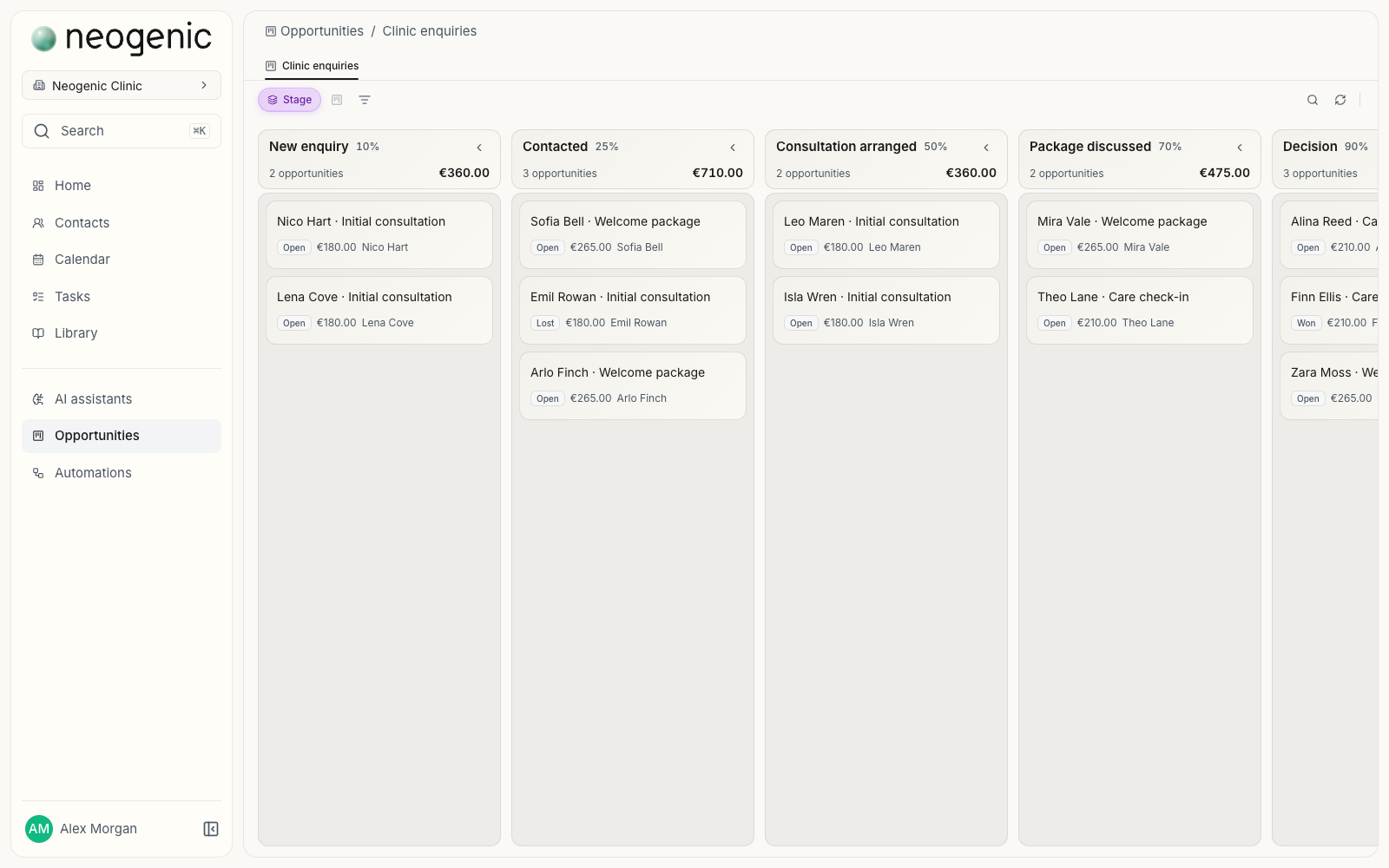
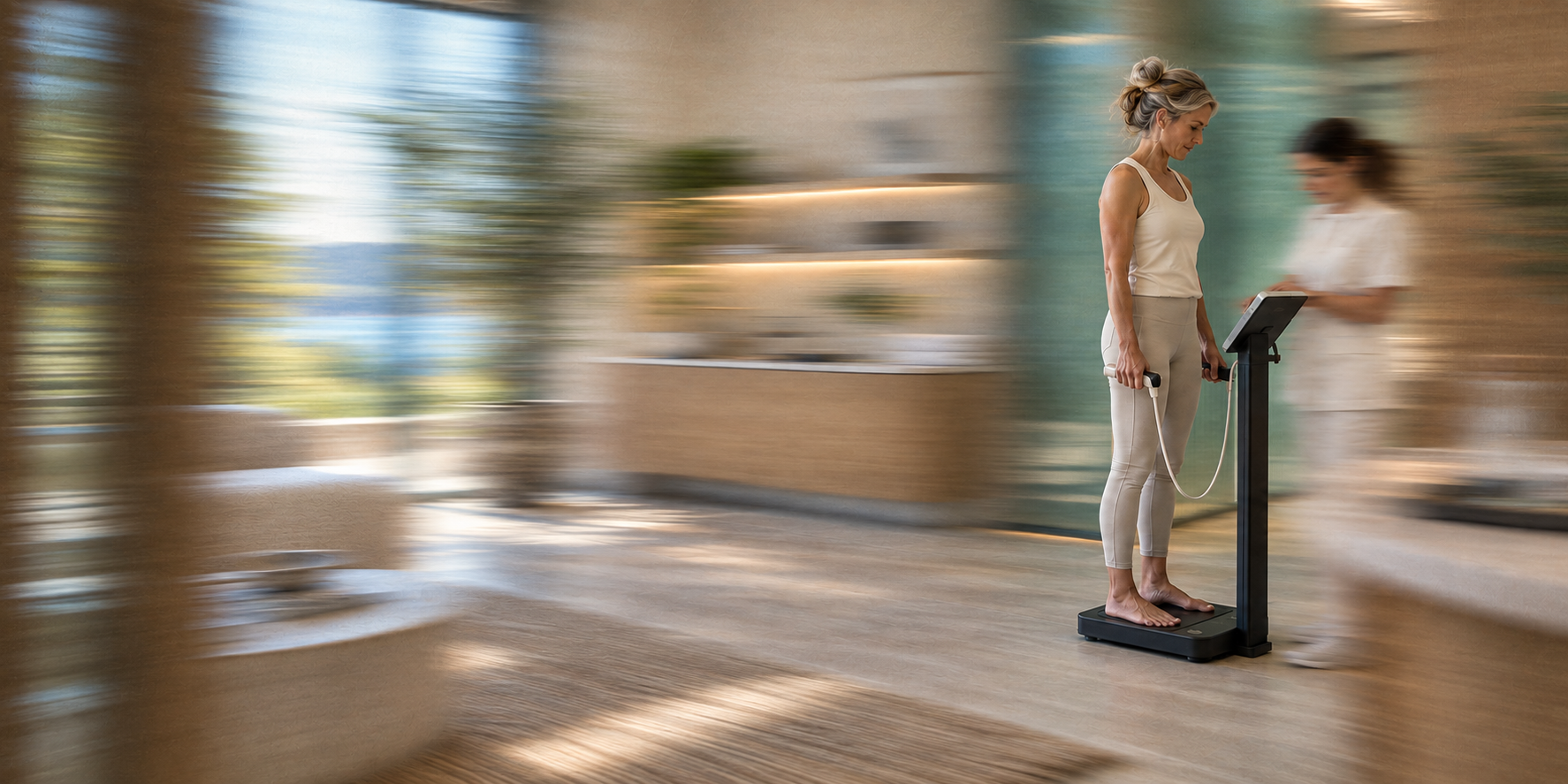
Neogenic is my practical contribution to that. What I know how to do is build software and businesses, so we're building software for longevity clinics and their patients. The goal is to help clinic teams and the information they work with come together, and to give patients a more connected experience of their care.
I'm building it because I want to support the people working toward a healthier body and mind, and the patients who come to them for that. And I keep thinking about what those healthy years are for: another decade of learning a craft, of being fully present with your children and grandchildren, of understanding a friend you've known for fifty years a little better than you did at forty. That's the impact I want to help make room for.